Maximize Your Performance: Essential Marathon Recovery Tips for Runners
Completing a marathon is an incredible achievement that deserves to be celebrated. The thrill of crossing that finish line, the cheers from the crowd, and the personal satisfaction of pushing your limits all contribute to the unforgettable experience of race day. However, as any seasoned marathon runner knows, the journey doesn't end at the finish line. Proper marathon recovery is essential for your body to heal, regain strength, and prepare for future adventures on the road.

The Importance of Recovery
Post-marathon recovery is crucial for a number of reasons. First and foremost, it allows your muscles and joints to repair and rebuild after the grueling 26.2-mile challenge. Additionally, effective recovery can help prevent injuries, reduce muscle soreness, and improve your overall performance in future races. As you travel to different marathons across the globe, understanding how to recover effectively will not only enhance your running experience but also prepare you for the next beautiful race in a new city.
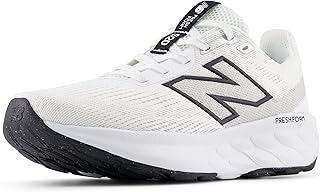
Marathon Recovery Tips
Here are some practical tips to help you recover effectively after your marathon, ensuring you're ready for your next international race.

1. Hydrate, Hydrate, Hydrate
- Replenish lost fluids by drinking water and electrolyte-rich beverages. Aim for at least 16-24 ounces of fluid within the first hour post-race.
- Consider coconut water or sports drinks that contain electrolytes to help restore balance.
2. Refuel with Nutrient-Dense Foods
- Consume a balanced meal or snack within 30 minutes after finishing. Include carbohydrates, proteins, and healthy fats.
- Good options include a smoothie with banana and protein powder, a turkey sandwich, or a quinoa salad with veggies.
3. Stretch and Foam Roll
- Gentle stretching can help alleviate tightness in your muscles. Focus on your hamstrings, quadriceps, calves, and hip flexors.
- Use a foam roller to target sore spots and improve blood flow, which aids in recovery.
4. Rest and Sleep
- Give your body the time it needs to recover by prioritizing sleep. Aim for at least 7-9 hours per night.
- Take several days off from running to allow your body to heal. Low-impact activities like walking or cycling are great alternatives.
5. Listen to Your Body
- Pay attention to how your body feels during recovery. If you experience persistent pain or discomfort, consider consulting a healthcare professional.
- Start with short, easy runs once you feel ready, gradually increasing intensity and distance as you recover.
6. Maintain a Recovery Routine
- Establish a regular routine that includes stretching, strength training, and cross-training to improve overall fitness and resilience.
- Incorporate yoga or Pilates to enhance flexibility and core strength, which are vital for long-distance running.
Explore International Races
As you embrace these marathon recovery tips, why not put your newfound knowledge to the test by traveling to a new race destination? From the scenic routes of the Paris Marathon to the vibrant atmosphere of the Tokyo Marathon, the world is full of incredible races waiting for you to conquer. Recovery isn’t just about healing; it’s about preparing for your next adventure. So pack your bags, lace up your running shoes, and set your sights on the horizon. The next finish line awaits!