Mastering Marathon Recovery: Essential Tips for Injury Prevention and Health
After crossing the finish line of a marathon, many runners experience a whirlwind of emotions—joy, relief, and perhaps a little nausea. However, while these feelings are often part of the post-race recovery process, there are specific symptoms that should raise a red flag. Understanding the difference between normal post-race fatigue and serious health concerns can be critical for any runner, especially those who travel internationally for races.

Understanding Post-Race Symptoms
It is not uncommon to feel a bit off after a marathon. Martin Hehir, a seasoned runner and medical doctor, recalls his first marathon experience, where he felt nauseated and weak. Fortunately, he was able to recover by rehydrating and replenishing his body with essential nutrients. However, not every runner has the same experience, and many may overlook concerning symptoms.

As an international runner, you might find yourself in unfamiliar territory, both geographically and physically. Knowing what signs to watch for can be the difference between a minor setback and a serious health issue.
Common Symptoms to Monitor
Post-race recovery can vary widely among runners, but here are a few symptoms that merit attention:

- Severe muscle cramping: While some muscle soreness is expected, intense cramping that doesn’t improve with rest and hydration can be a warning sign.
- Dark urine: This could indicate rhabdomyolysis, a serious condition where muscle tissue breaks down and releases harmful substances into the bloodstream.
- Persistent fatigue: Feeling drained is normal, but extreme exhaustion that lingers for days may signal that your body needs more than just rest.
- Nausea and vomiting: If these symptoms persist beyond the immediate post-race hours, it’s crucial to seek medical advice.
- Shortness of breath: Difficulty breathing during recovery should never be ignored.
What is Rhabdomyolysis and Why You Should Care
Rhabdomyolysis, or "rhabdo," is a severe condition that can occur after intense physical exertion. It happens when damaged muscle fibers enter the bloodstream, potentially leading to kidney damage. Recognizing the early signs is essential:

- Dark, tea-colored urine
- Severe muscle pain, especially in the shoulders, thighs, or lower back
- Swelling in the affected areas
If you suspect you may be experiencing rhabdomyolysis, immediate hydration is crucial. Drinking plenty of fluids can help flush the toxins from your system. However, if symptoms do not improve, seek medical help right away. Early intervention can prevent serious complications.

Practical Tips for Injury Prevention
While the thrill of racing across various countries is exhilarating, taking care of your body should always be your top priority. Here are some practical strategies to help you stay injury-free:
- Hydrate Pre and Post Race: Drink water and electrolyte solutions before and after your race to prevent dehydration.
- Gradual Training Increase: Avoid sudden jumps in mileage or intensity. Follow the 10% rule—don’t increase your weekly mileage by more than 10%.
- Listen to Your Body: Pay attention to what your body is telling you. If something feels off, don’t hesitate to adjust your training or seek medical advice.
- Warm Up and Cool Down: Incorporate dynamic stretches before your runs and static stretches afterward to prepare your muscles and aid recovery.
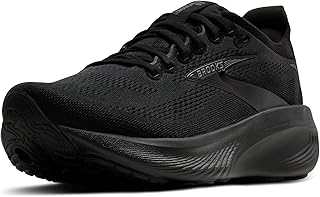
- Invest in Good Footwear: Choose running shoes that suit your foot type and running style. Replace them regularly to avoid unnecessary strain.
Embrace the Journey
Marathons are not just races; they are journeys that take us to beautiful places and connect us with fellow running enthusiasts from around the world. With proper care and knowledge, you can ensure that your experiences are memorable for all the right reasons. As you lace up your shoes for your next international race, remember to prioritize your health and be aware of your body’s signals.
Ready to explore new horizons? Discover international races that take you through stunning landscapes and vibrant cultures. Embrace the thrill of running abroad while prioritizing your health and safety. Your next adventure awaits!